GN SteamVent Downpour - Steam Machine Airflow Front Panel Mods with Dust Filter | MADE BY GN



GN SteamVent Downpour - Steam Machine Airflow Front Panel Mods with Dust Filter | MADE BY GN
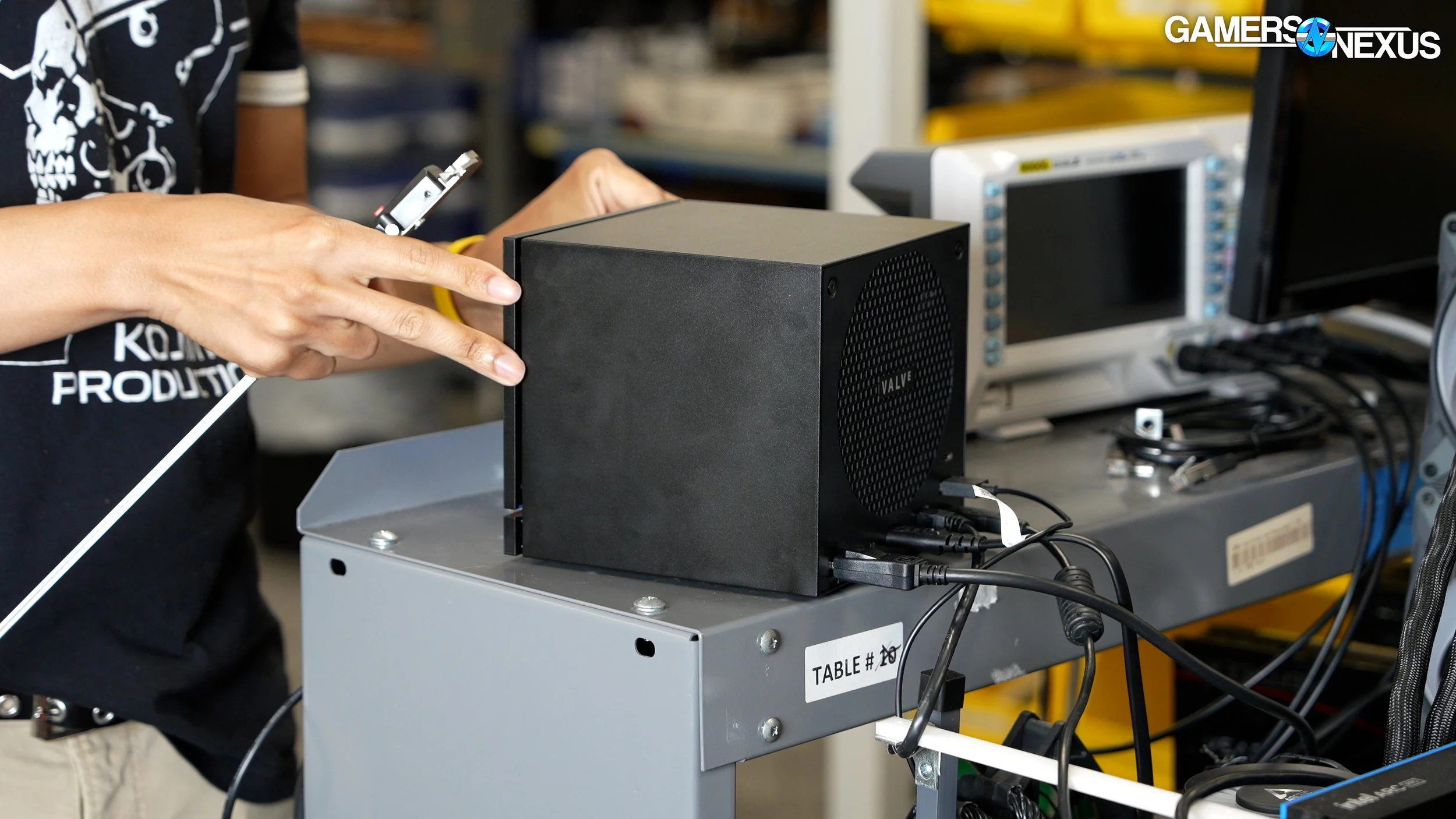
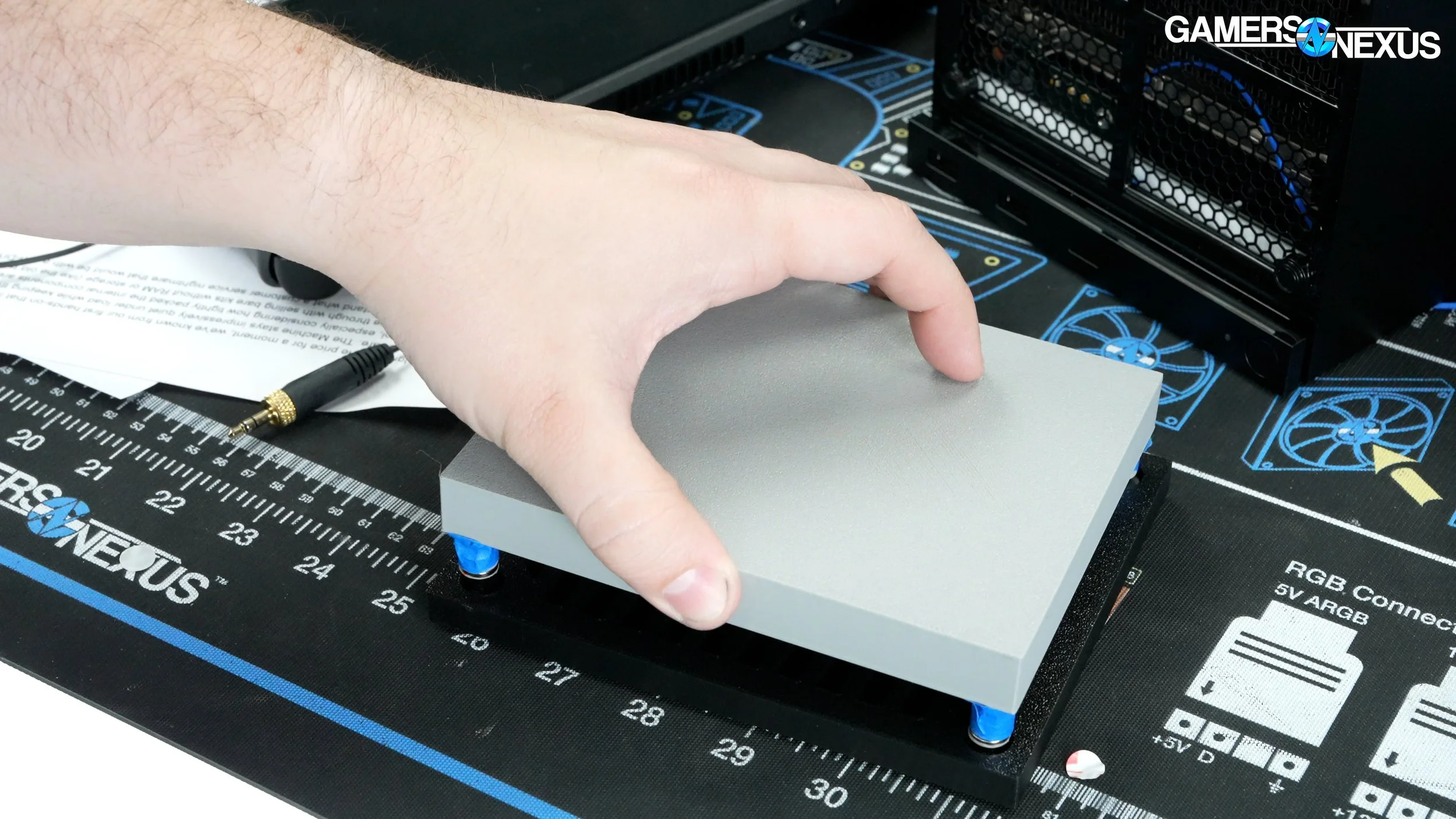
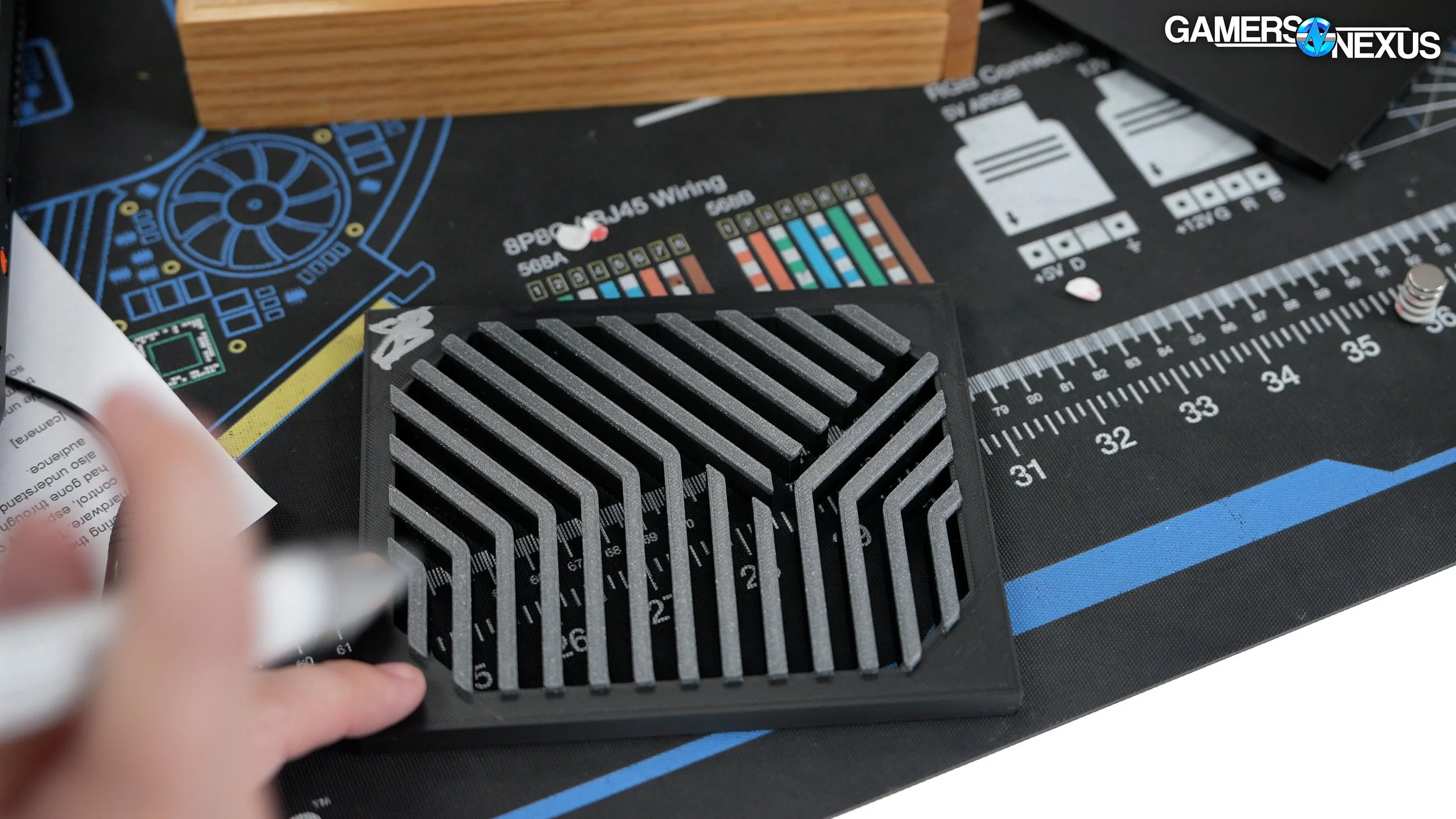
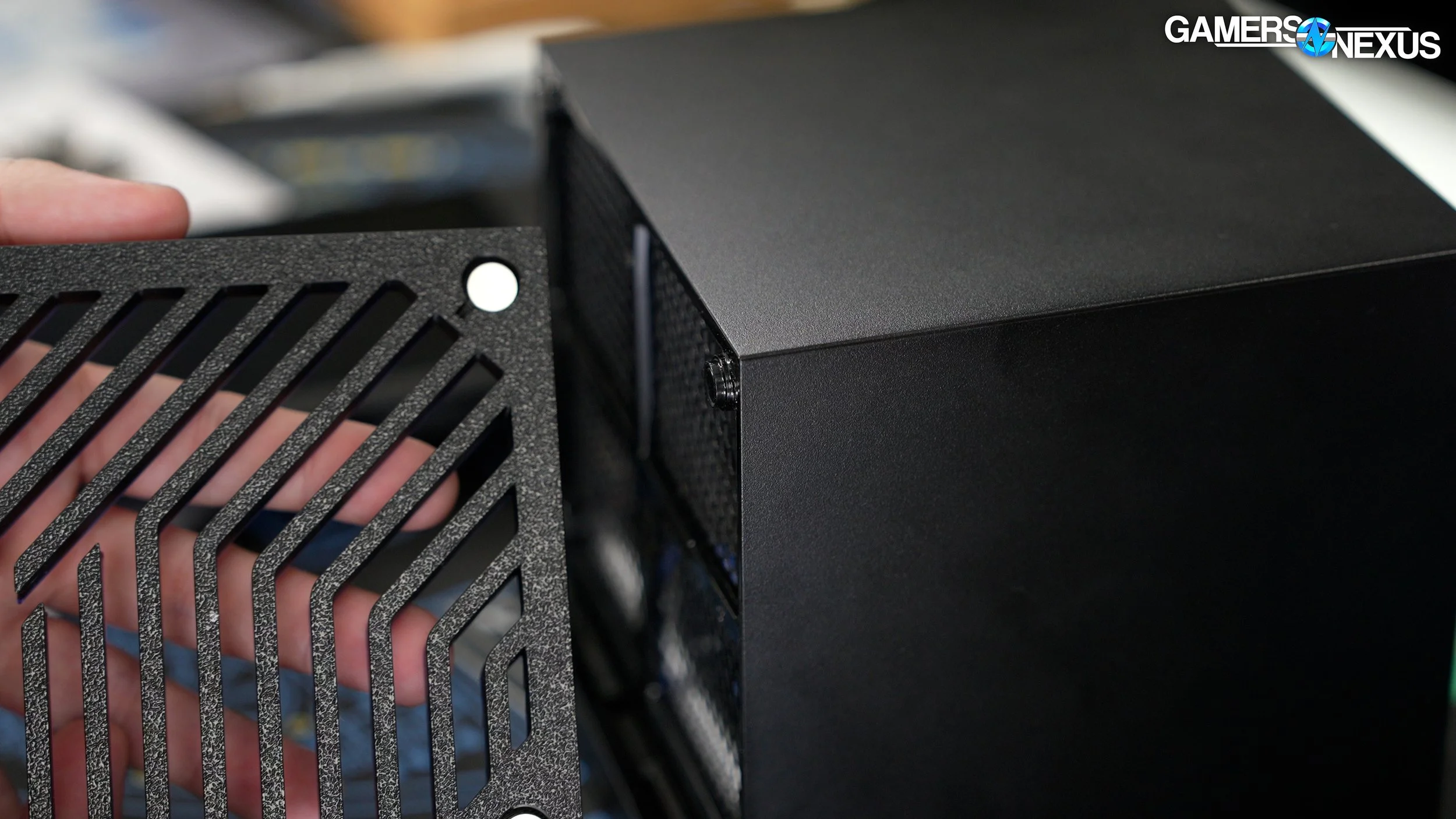
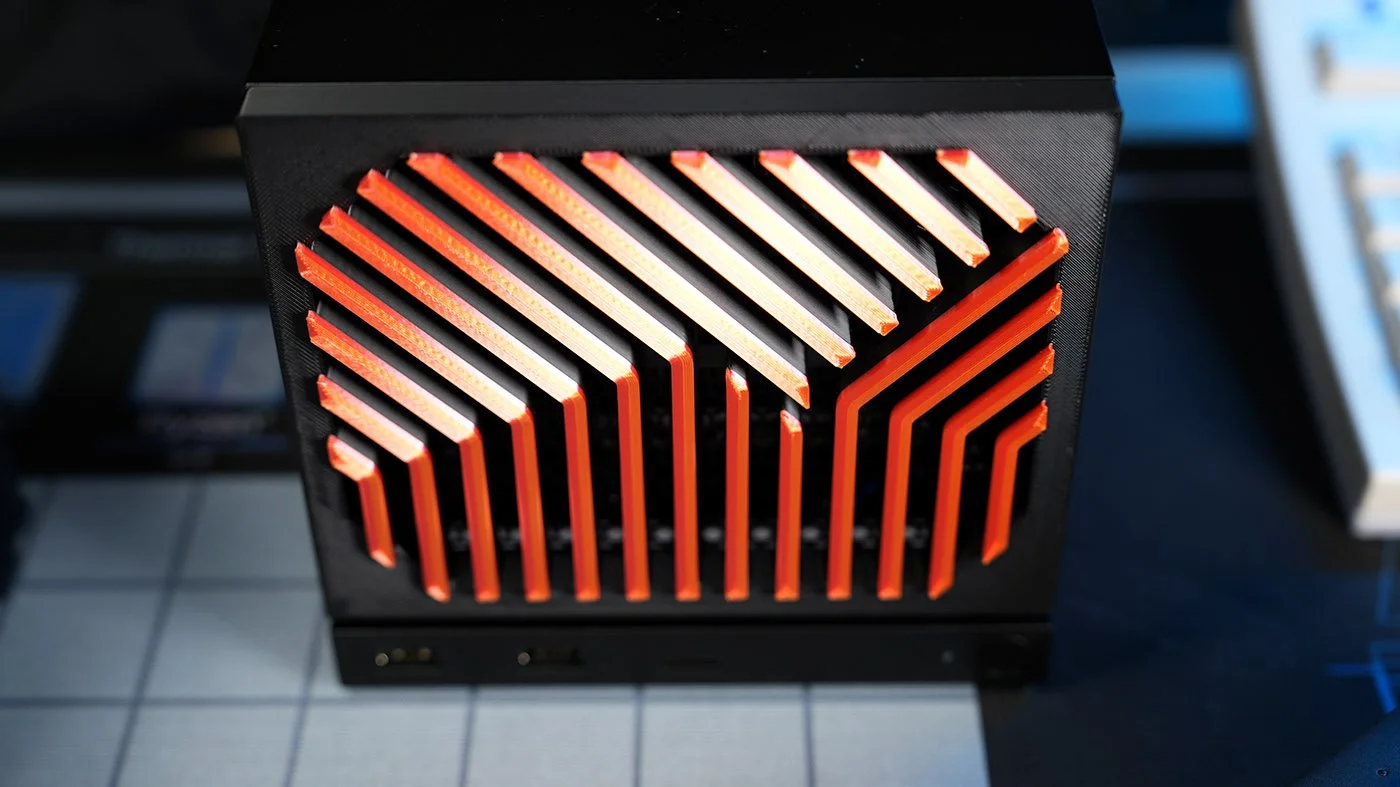
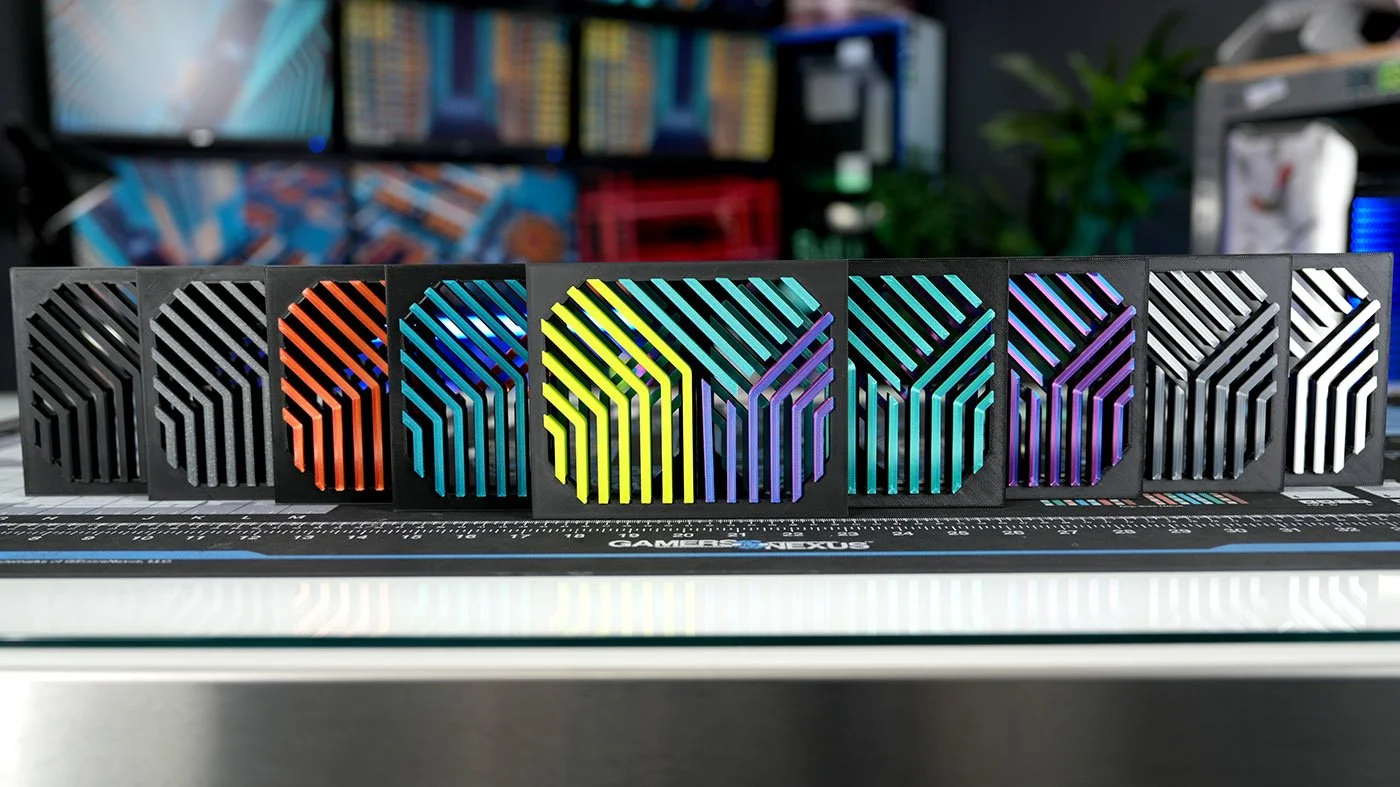
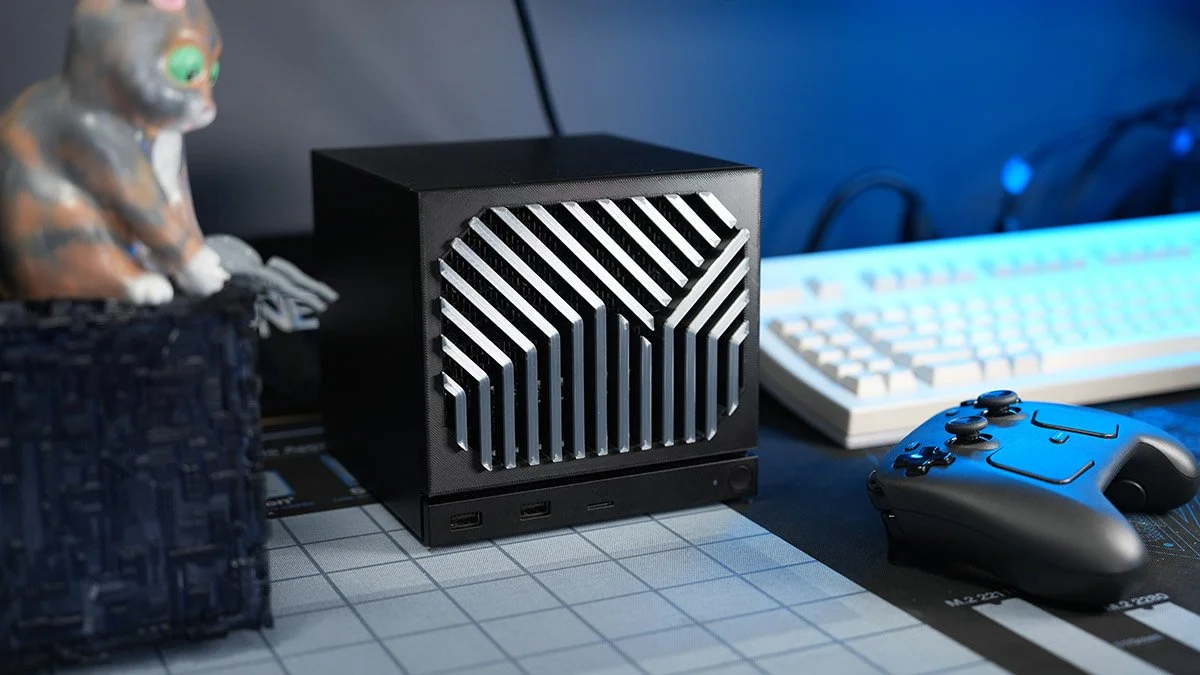
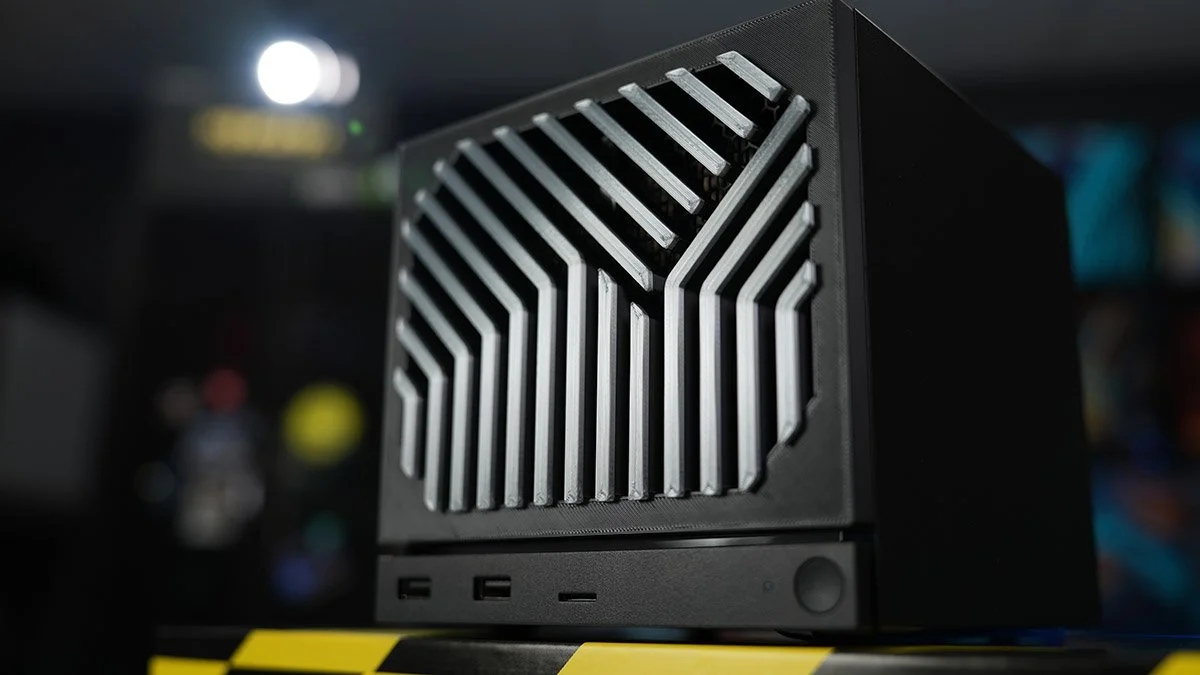
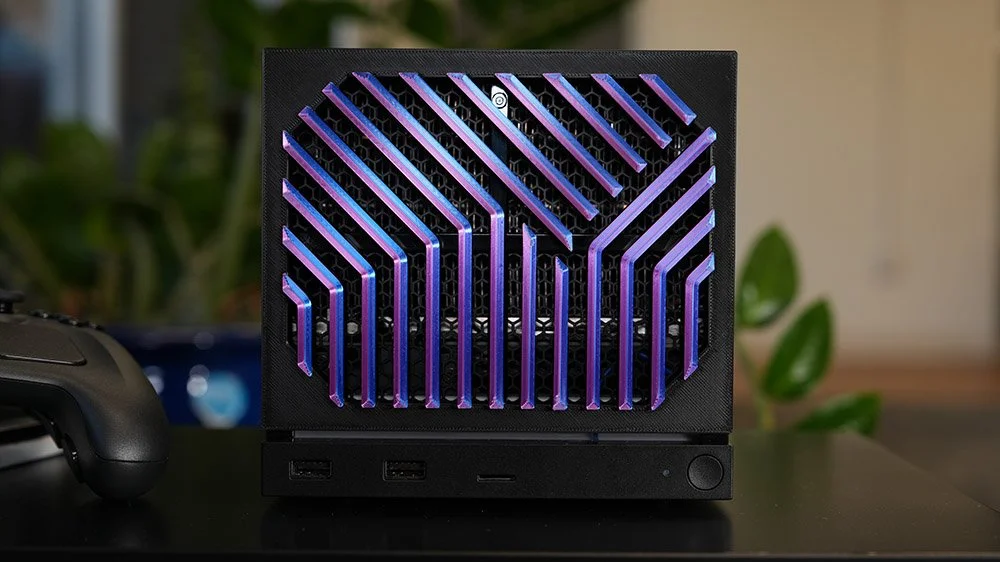
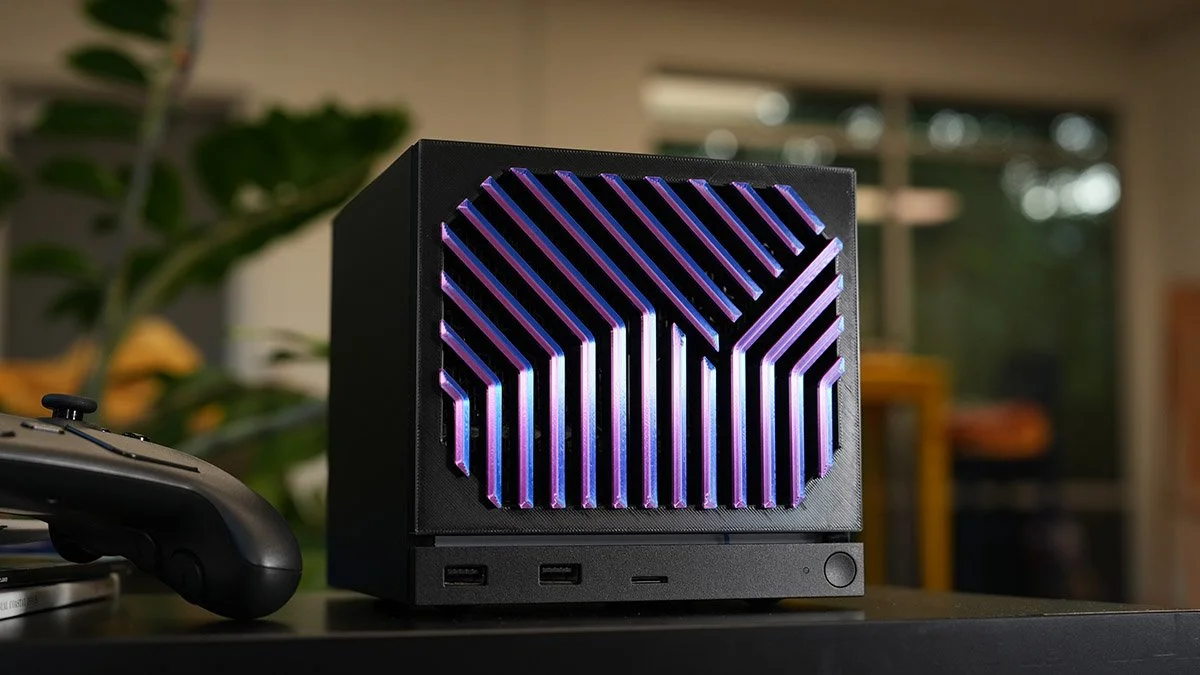
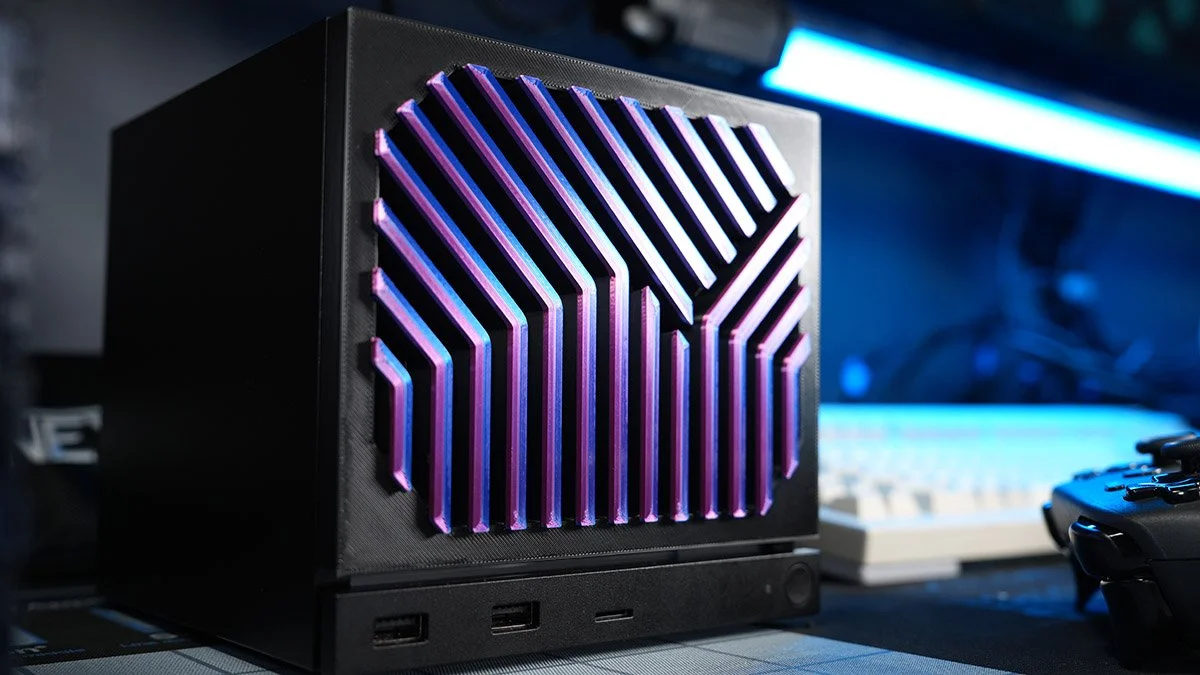
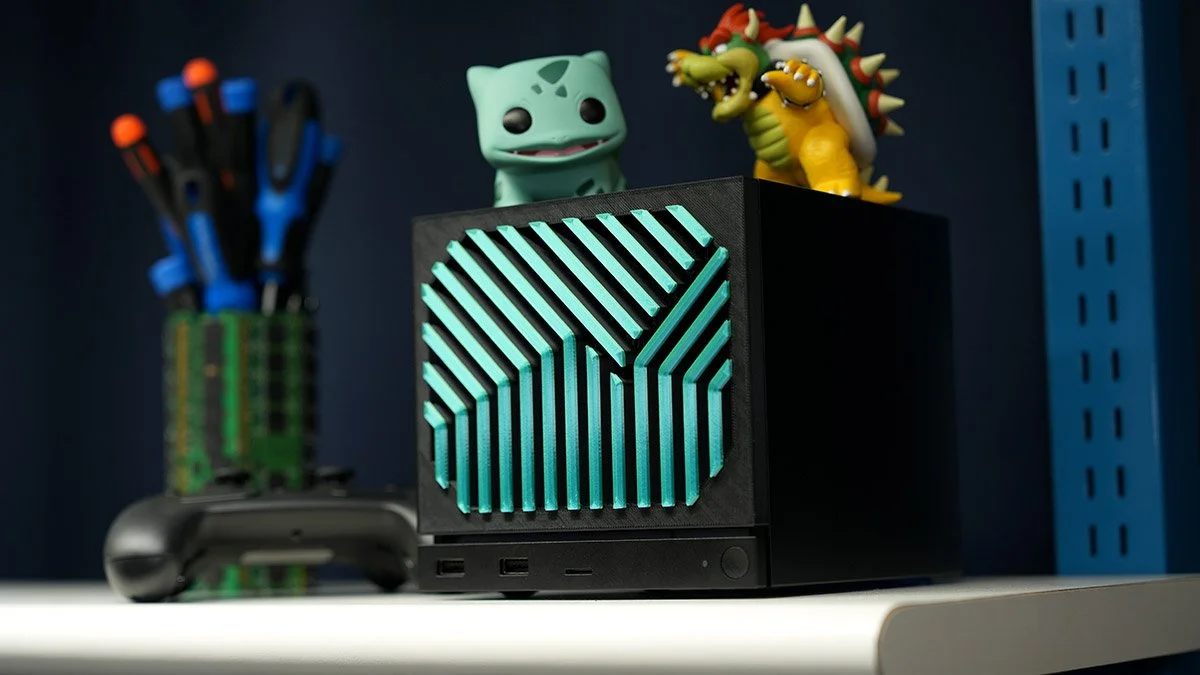
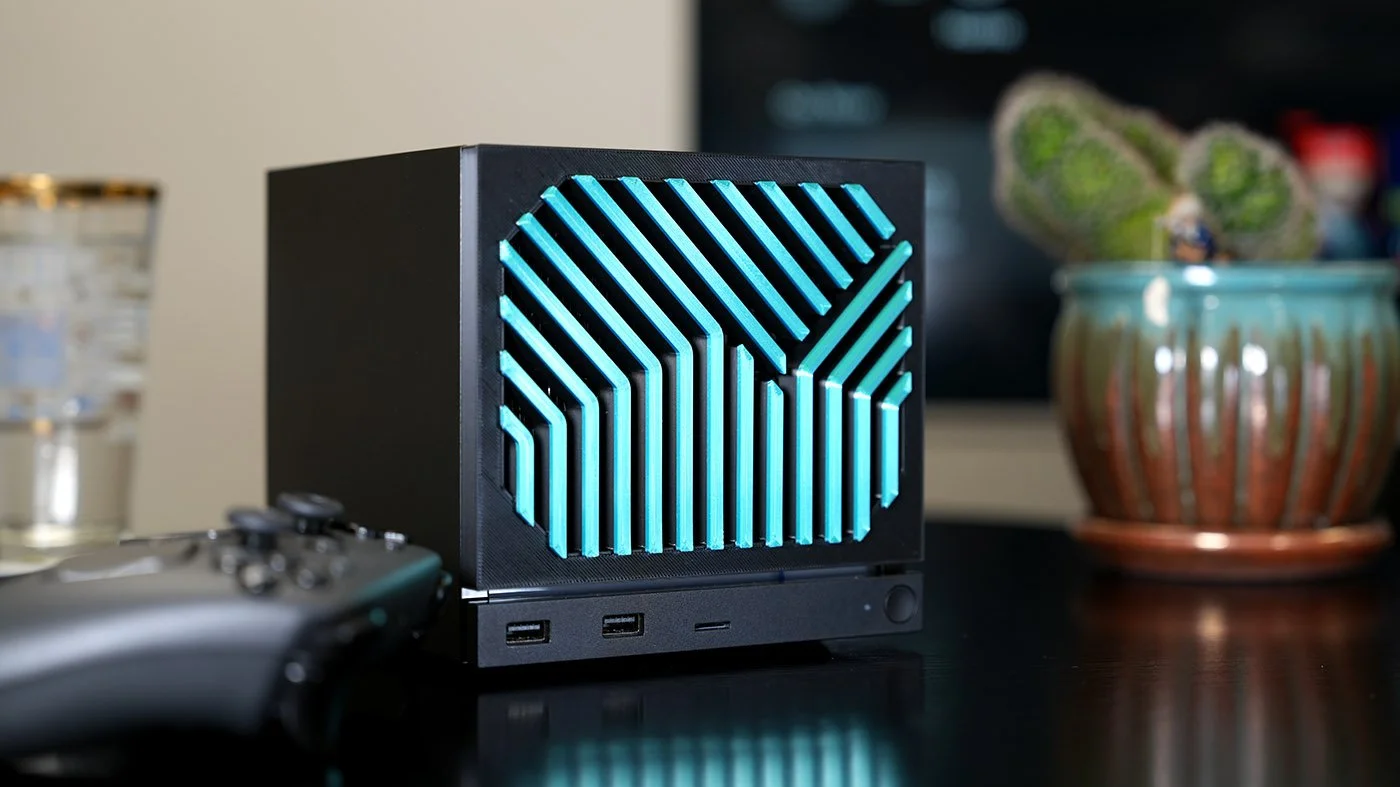
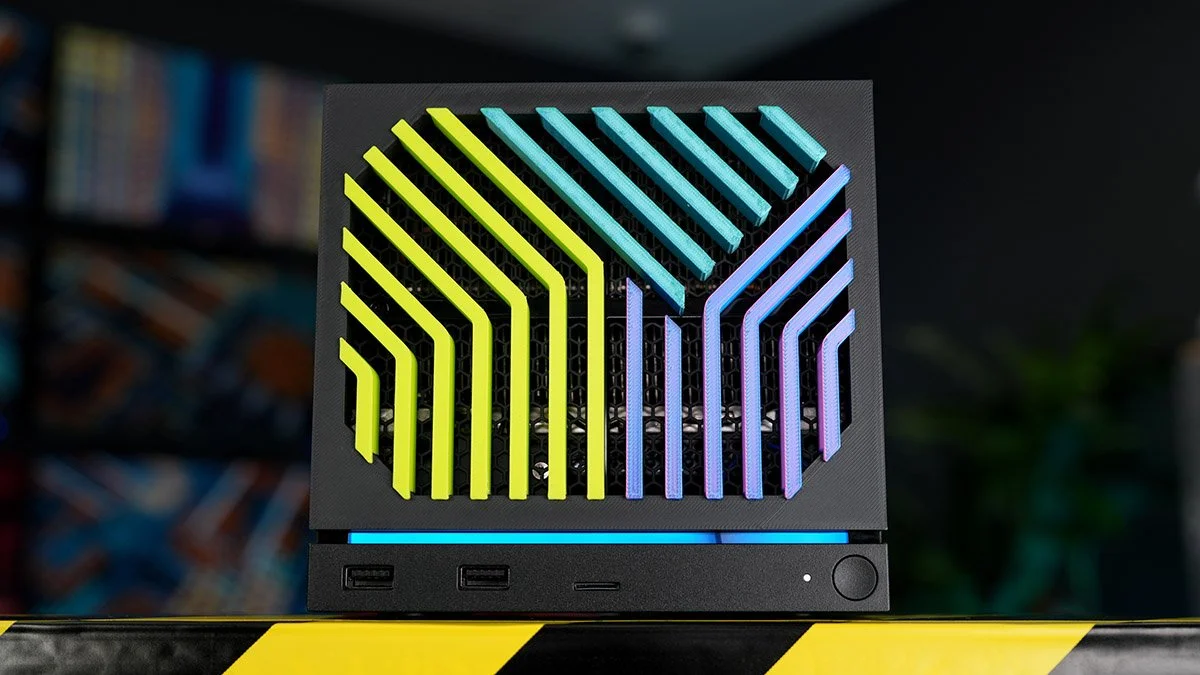
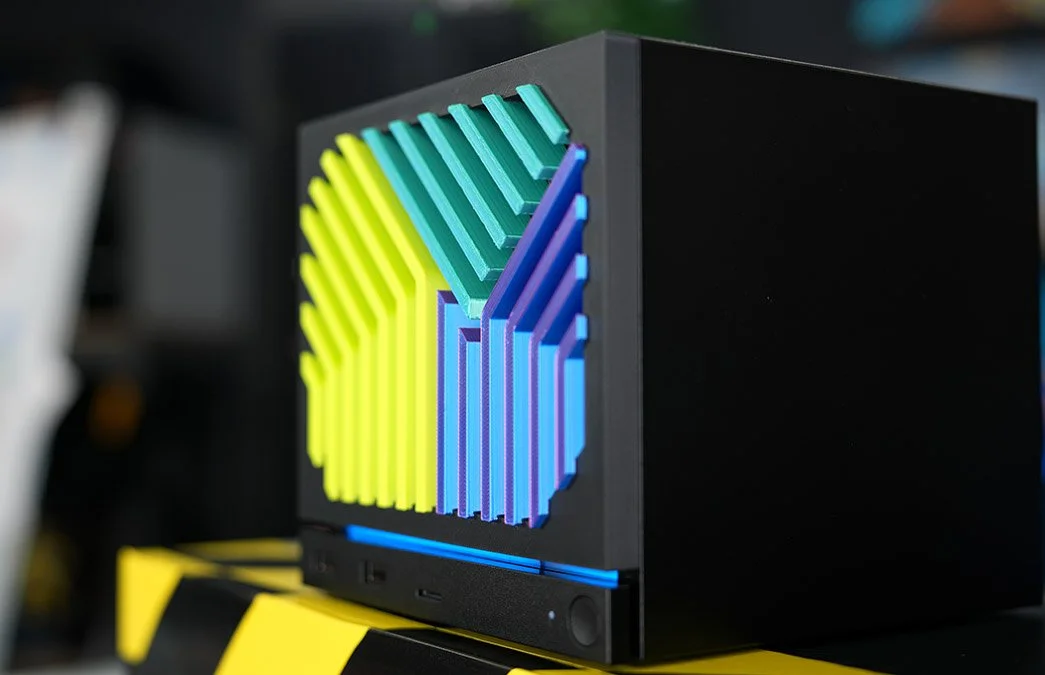
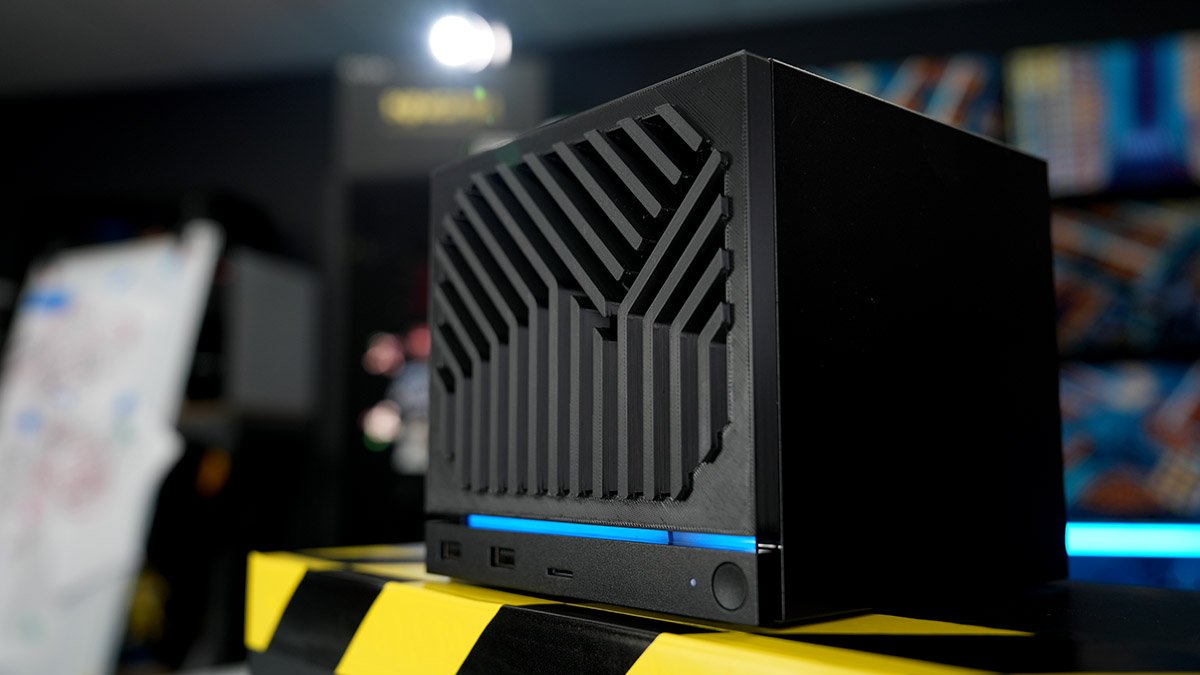
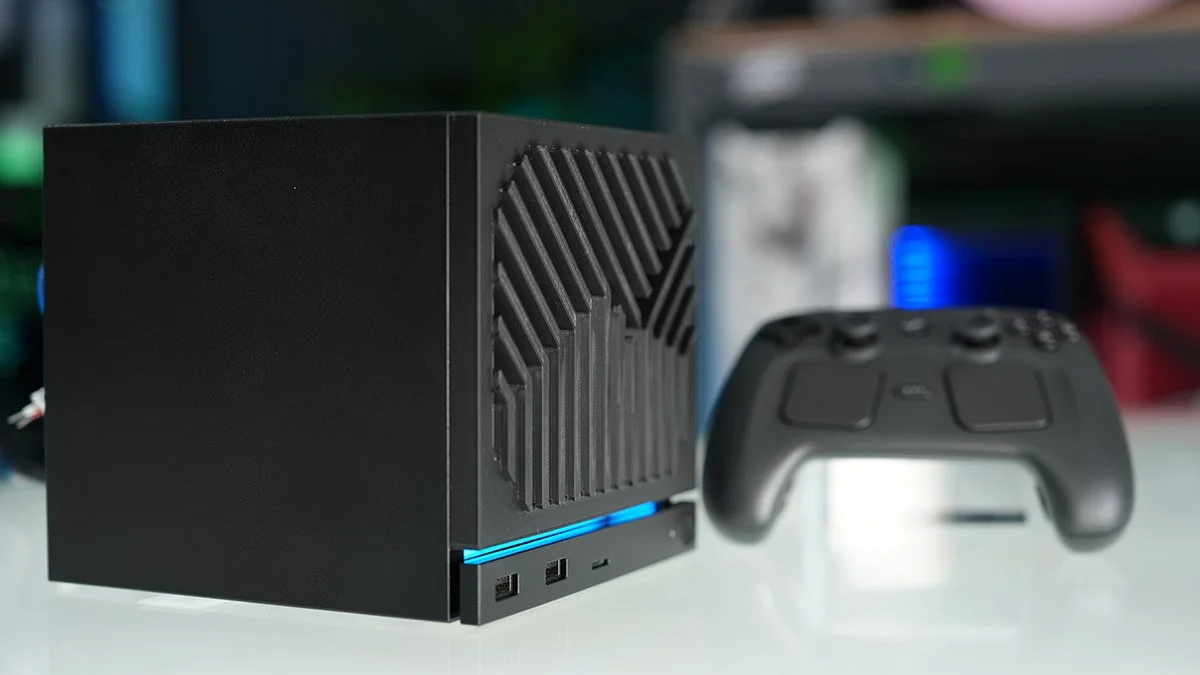
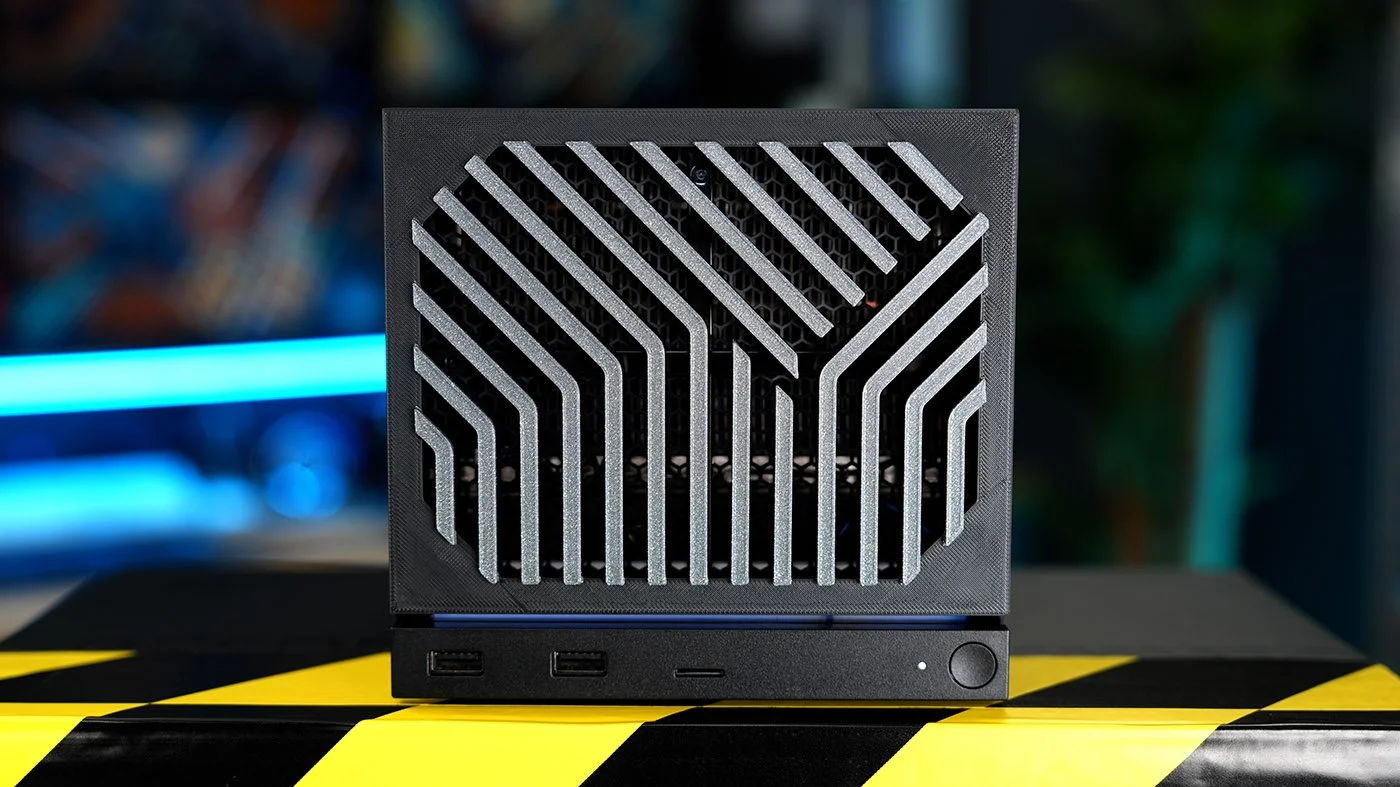
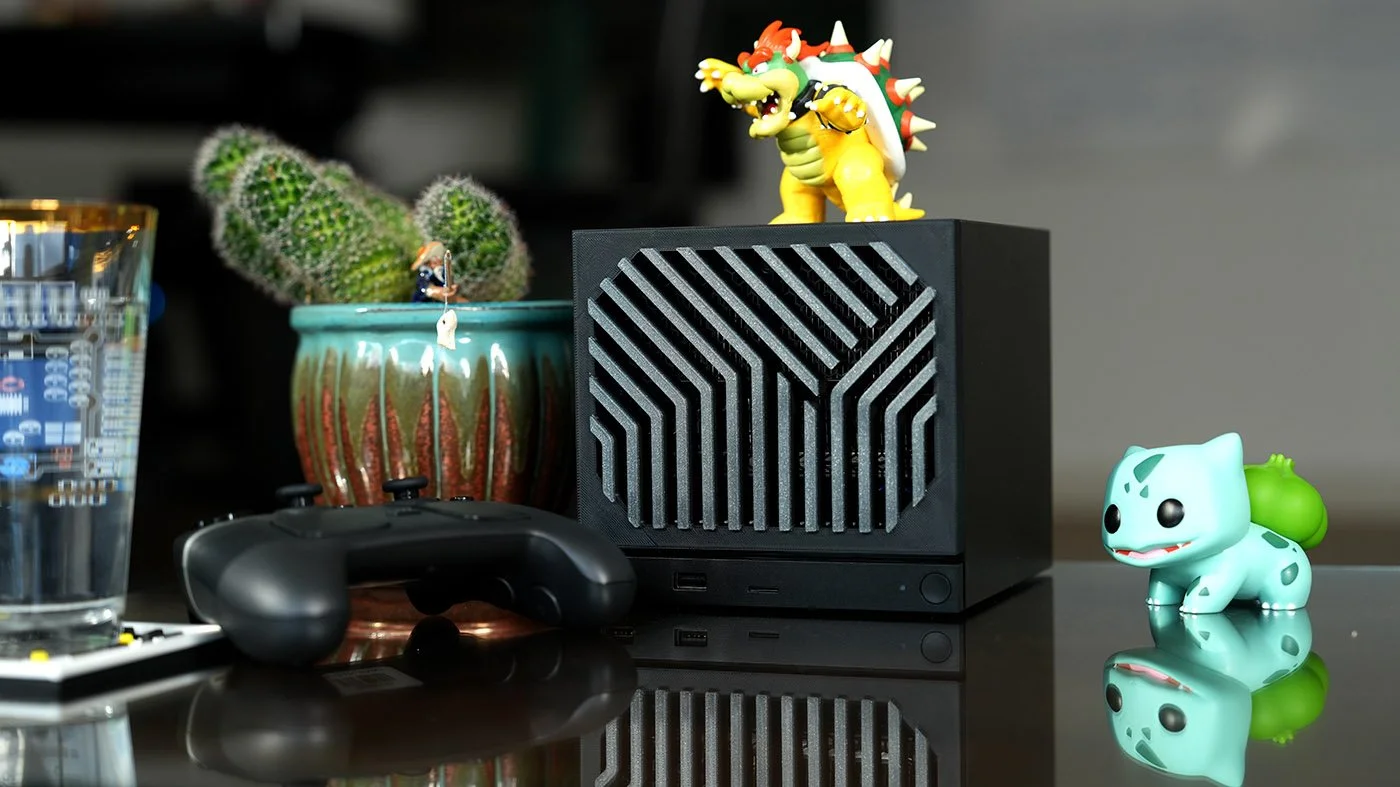
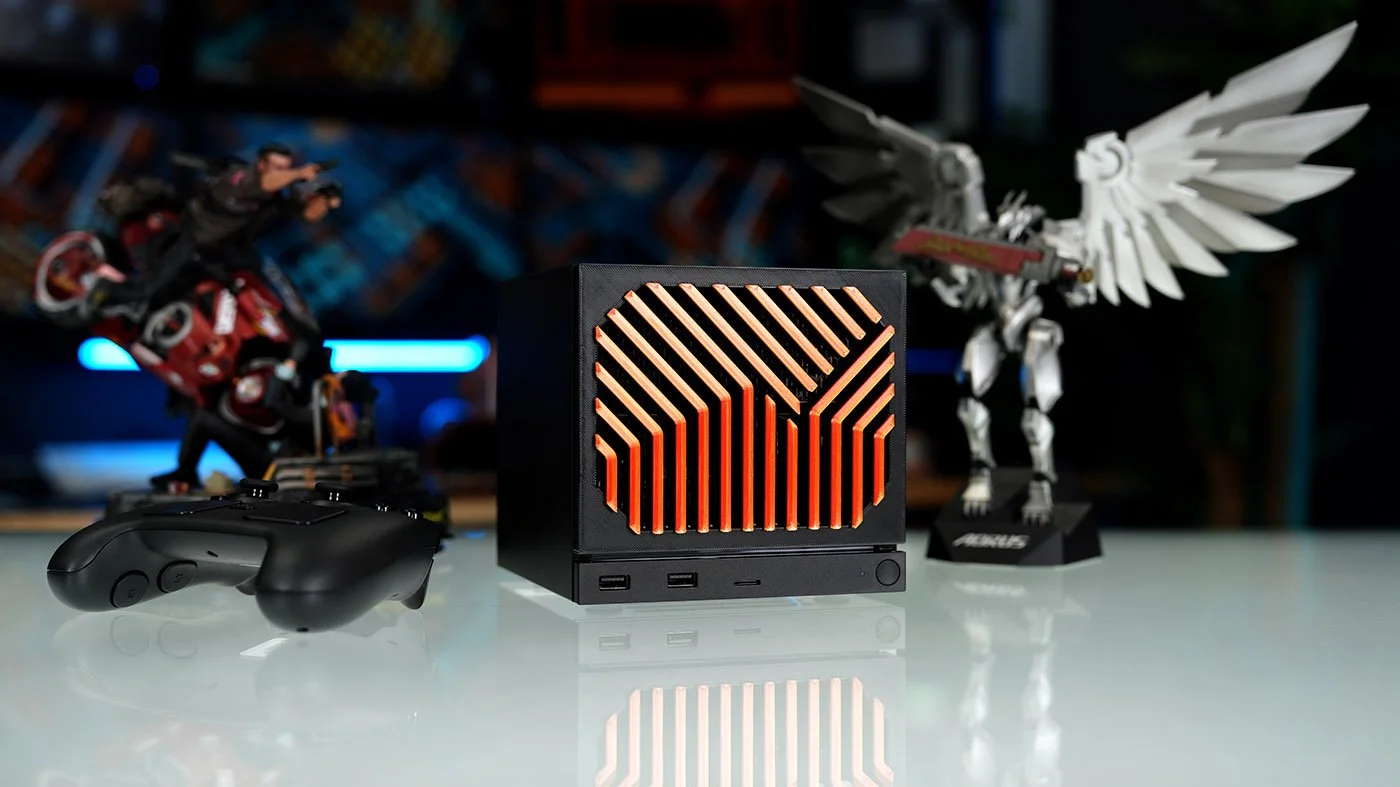
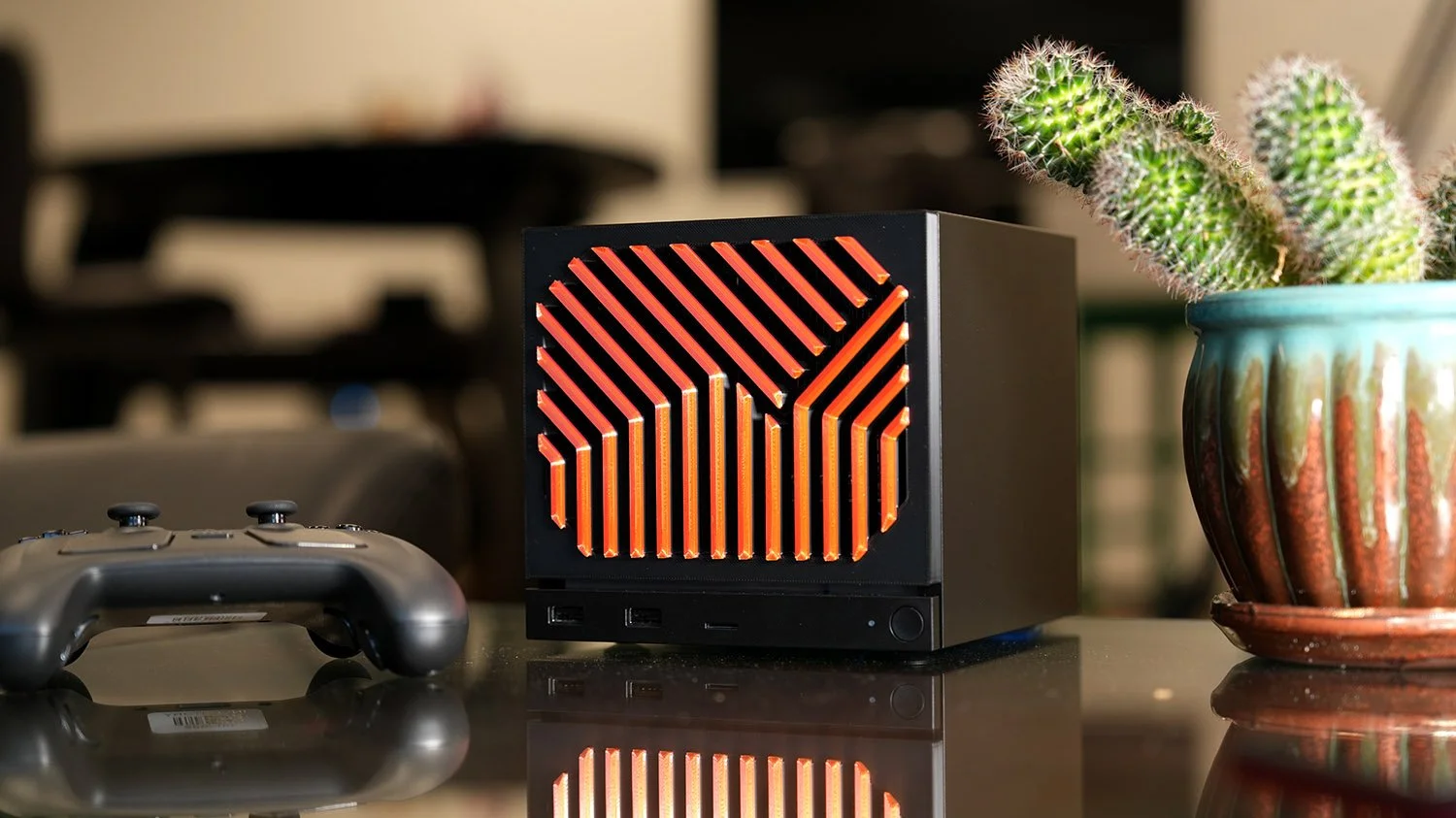
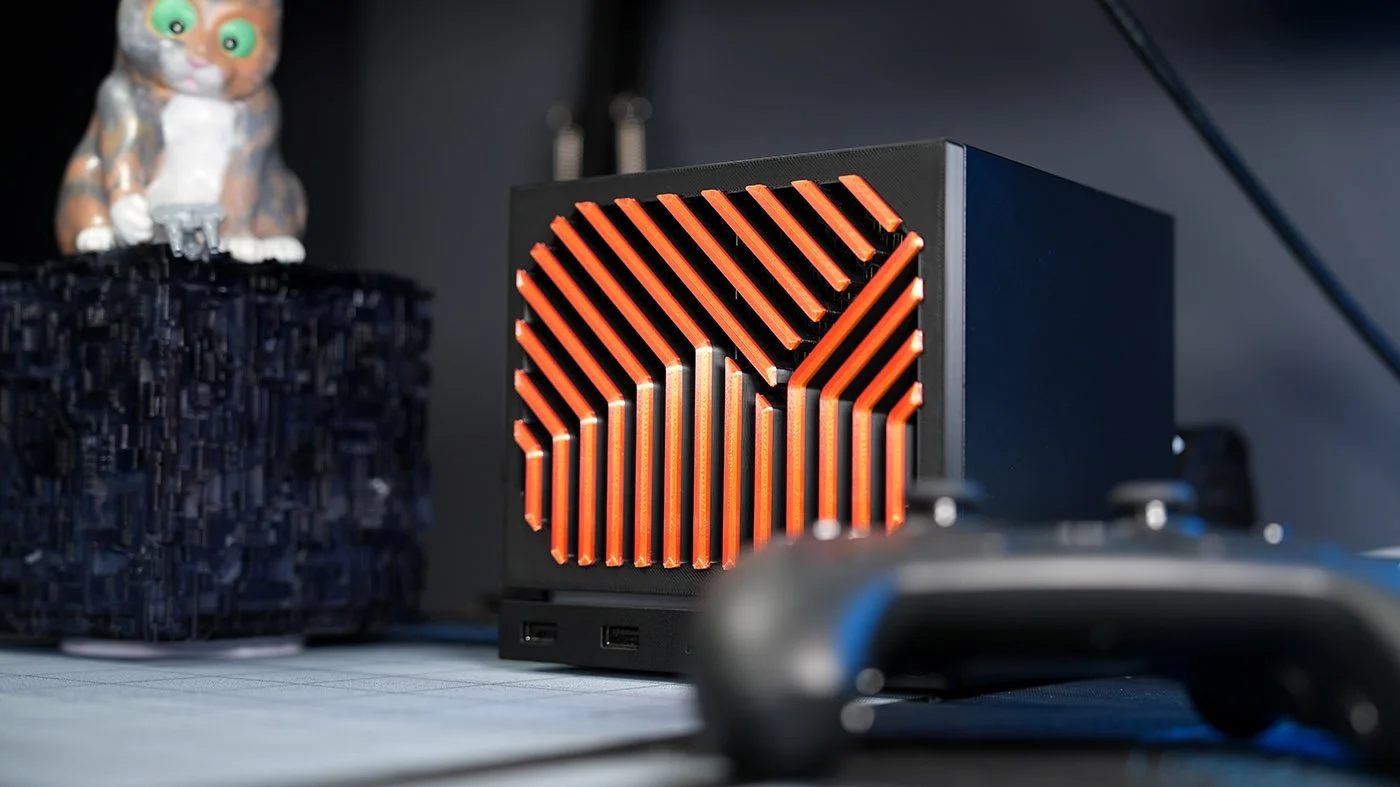
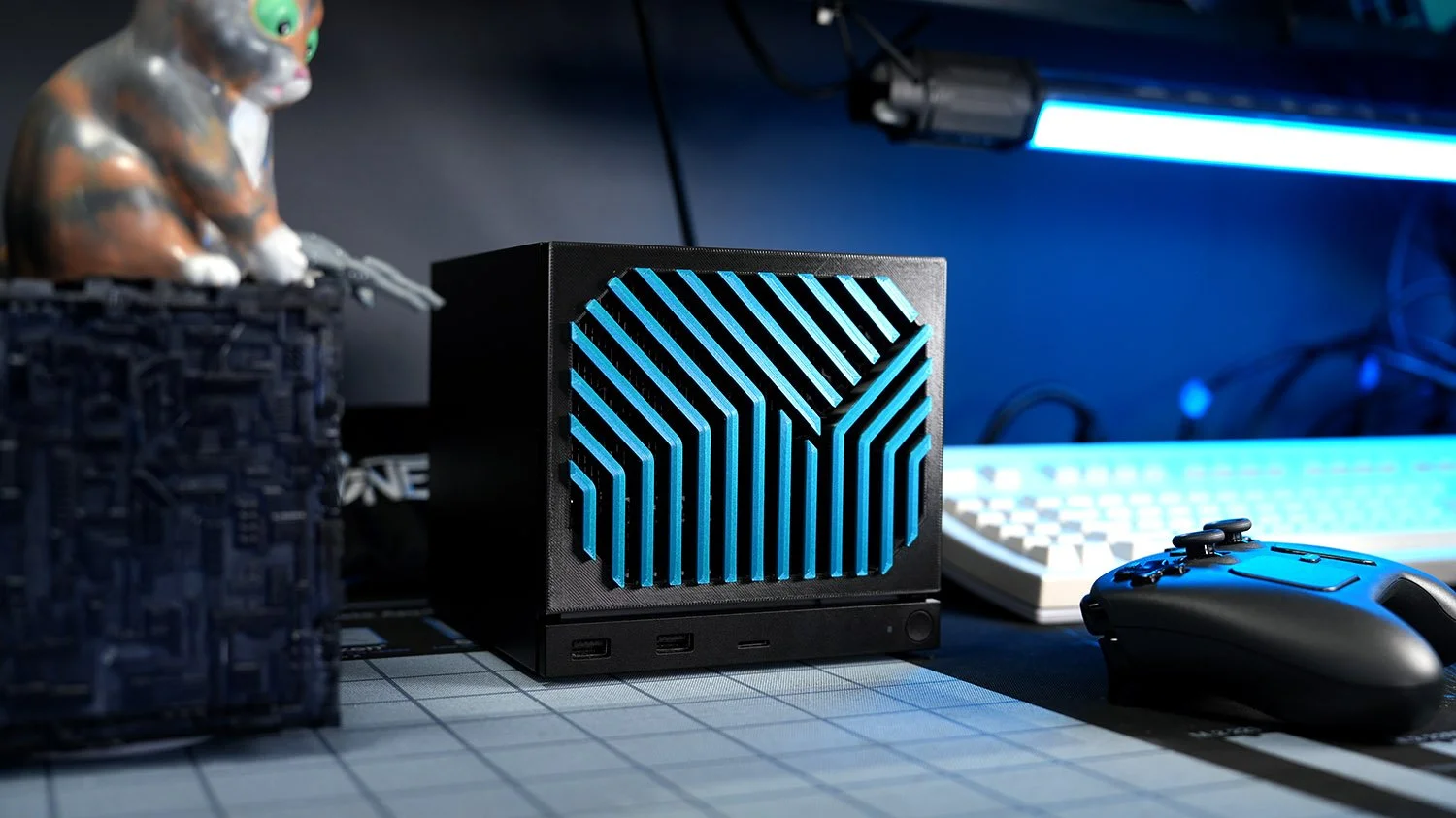
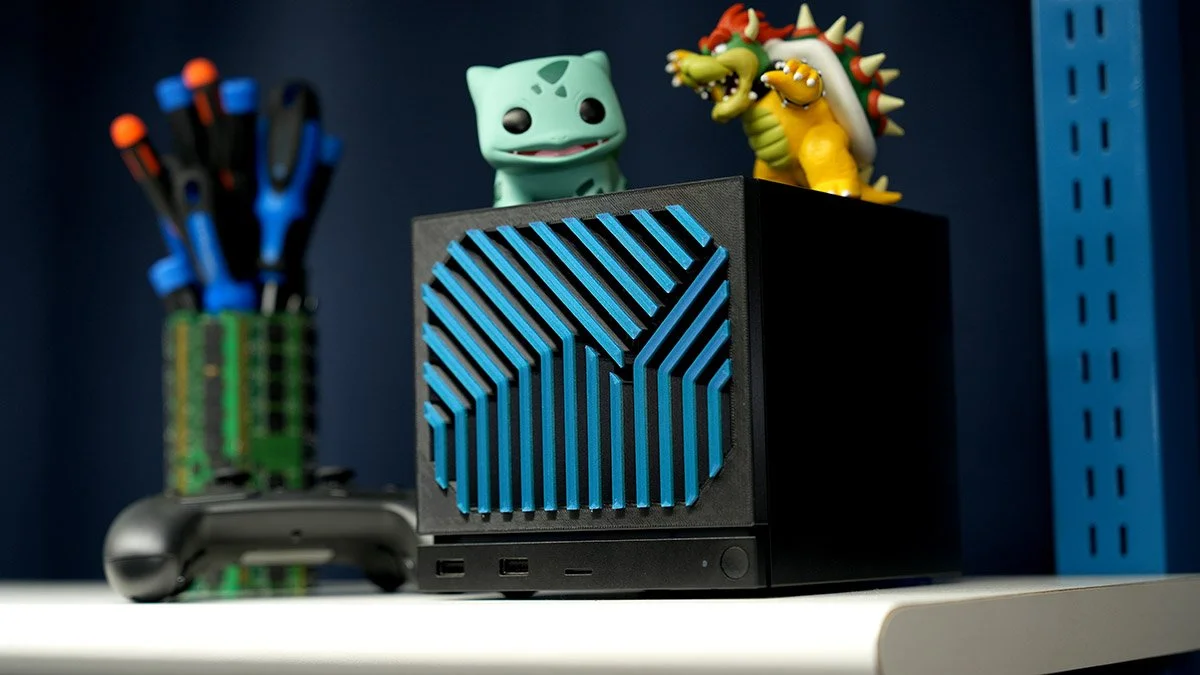
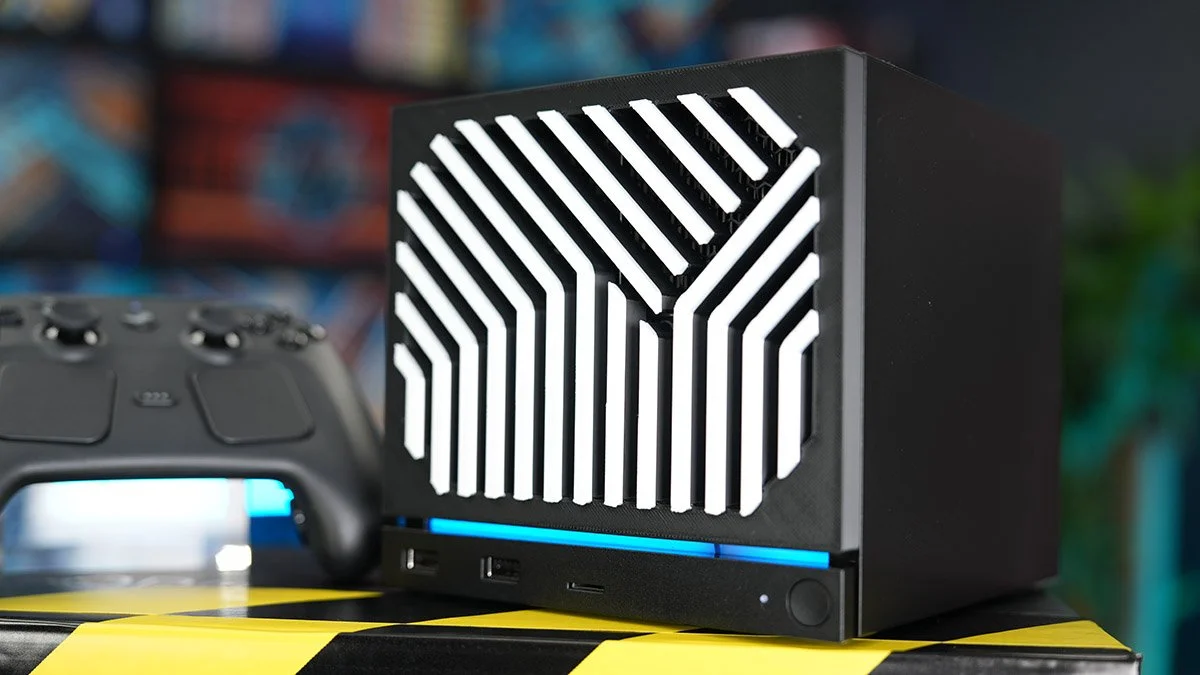
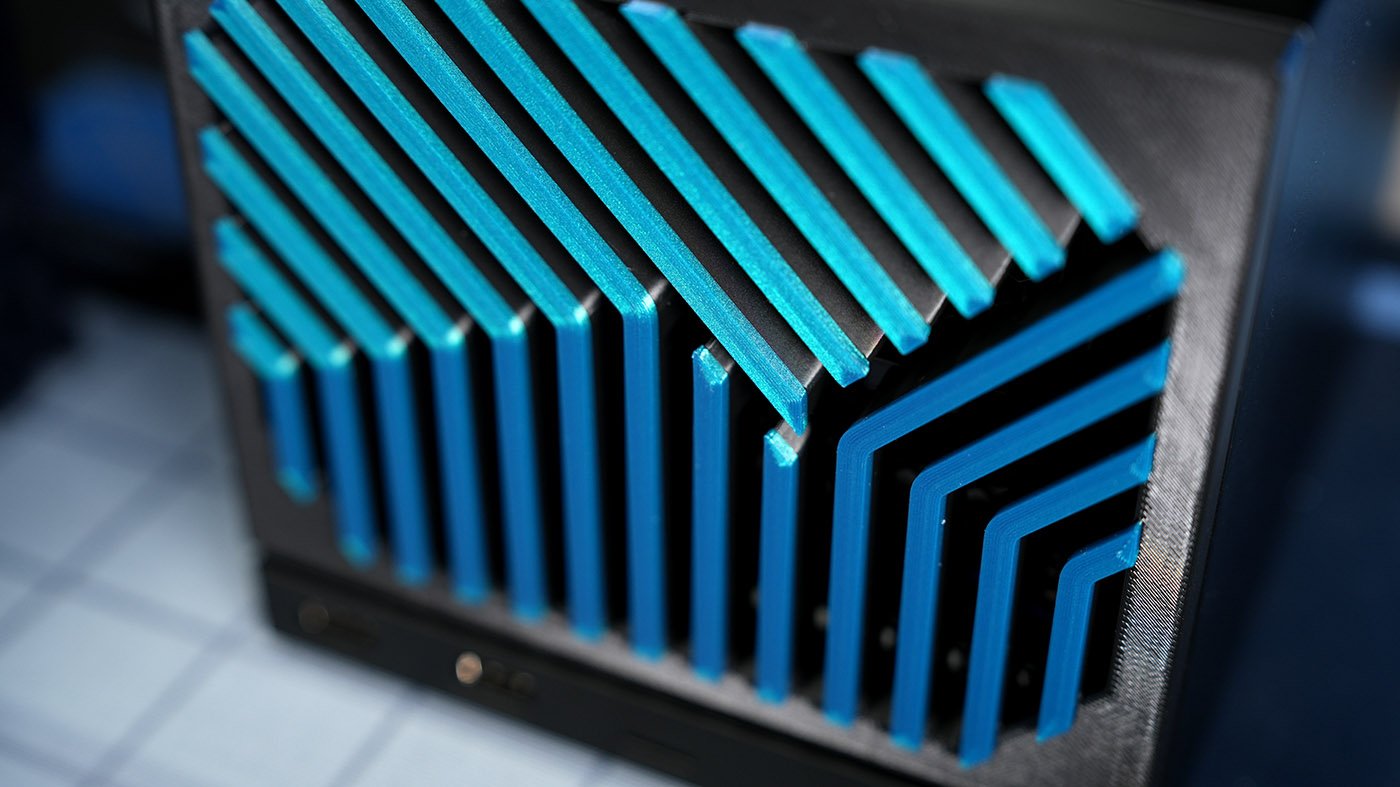
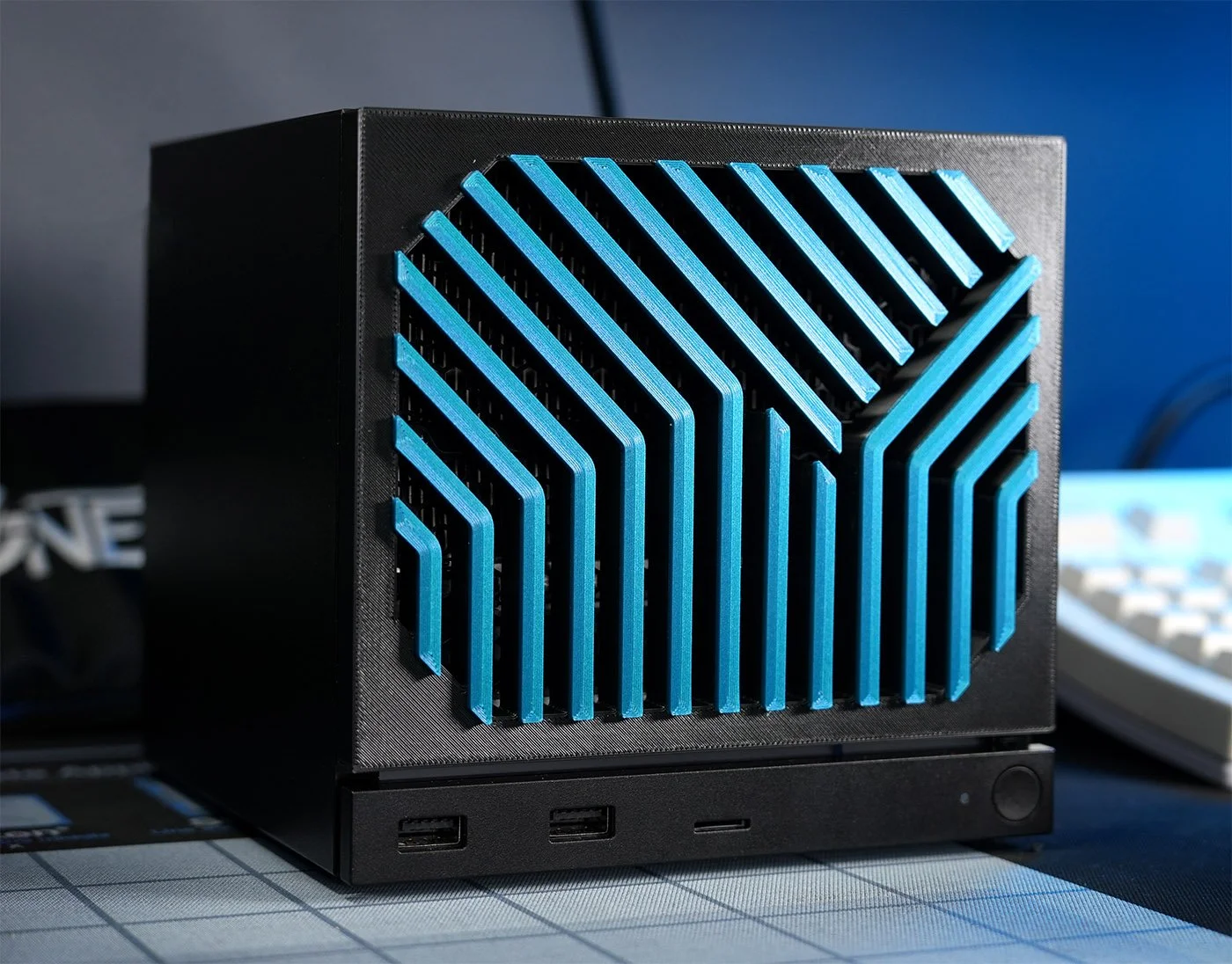
The GamersNexus SteamVent Downpour is our first-ever PC mod product: A front panel cooling mod for the Valve Steam Machine with a Fractal Torrent-inspired airflow design, resulting in significantly improved system thermals while also adding an included (but optionally used) dust filter. The stock panel can be removed by lightly pulling on it (secured by magnets), and our alternative Steam Machine ventilated front panel can be installed by aligning the plastic key to the top and snapping it magnetically into place with the 4 magnets that our team is hand-installing and assembling locally. The dust filter is included with all panels. For best performance, leave it out. For dusty environments or if you have pets, install it and clean once every 1-6 months, depending on how dusty the room is.
This Steam Machine front panel alternative includes:
One 3D-printed front panel that we designed in-house
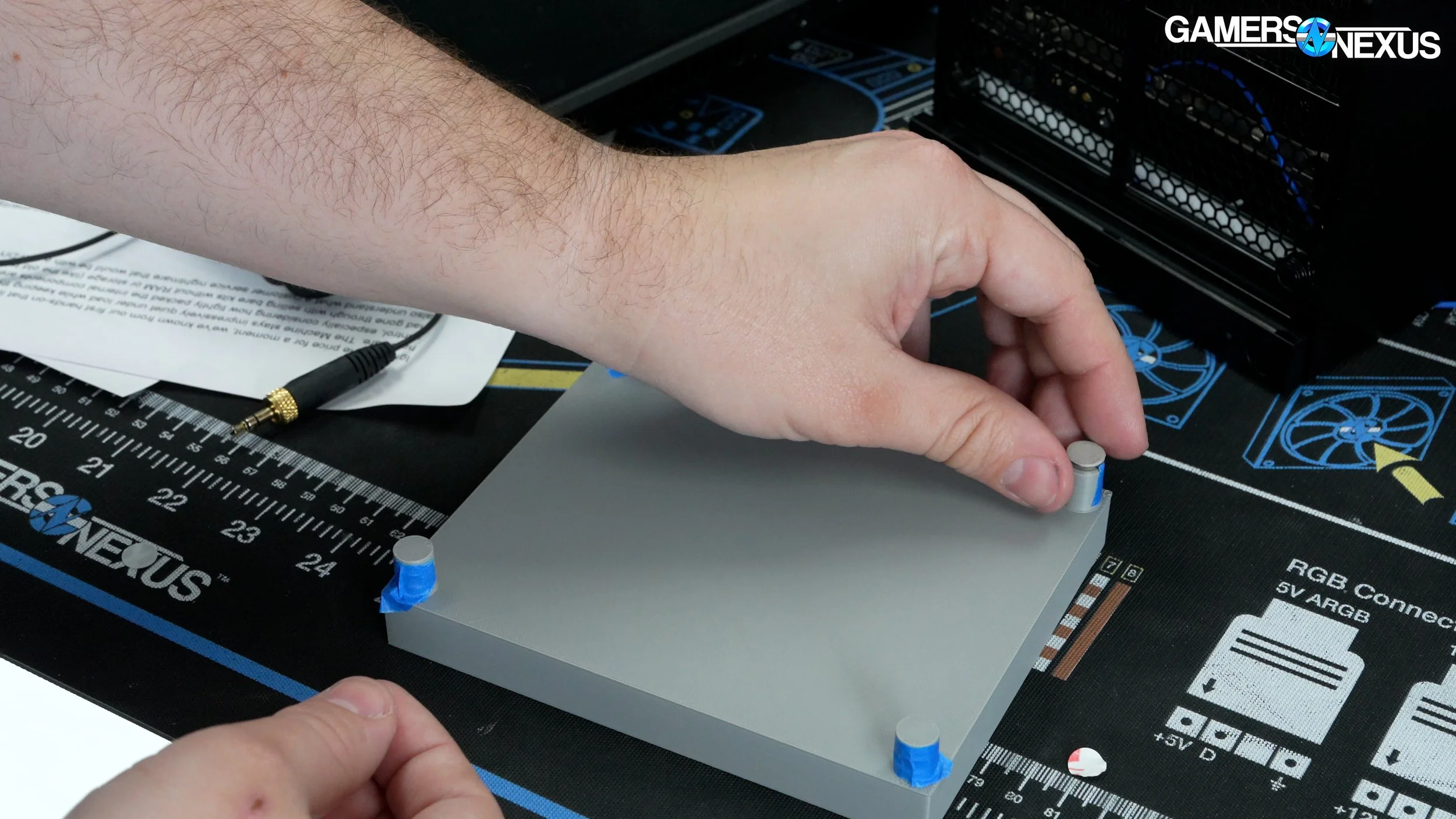
4x 3M VHB-backed magnets that our team is installing by hand in our North Carolina warehouse, sized to match the Steam Machine
1x easily cleaned Dust Filter pre-cut and custom-sized to fit the Machine, as Valve does not include one; will be either 0.8, 1.0, or 2.0 mm hole sizing. We are still testing the final options for best performance vs. dust capture
Steve will sign the first 500 that we print and we will distribute them randomly across orders for the first 3 weeks
7-Year Warranty, including accidental damage. If you drop it into a vat of acid (as long as it’s by accident), send a photo of the charred remains and we’ll replace it for you. Applies to the filter, panel itself, and magnets. If the product develops any workmanship defects, email our support@gamersnexus.net account and we’ll get it swapped as long as you send a photo of the damage and it is beyond our acceptable threshold for defects. Does not cover scratches, dings, or minor divots. Covers broken-off pieces, fractures, discoloration, and peeling.
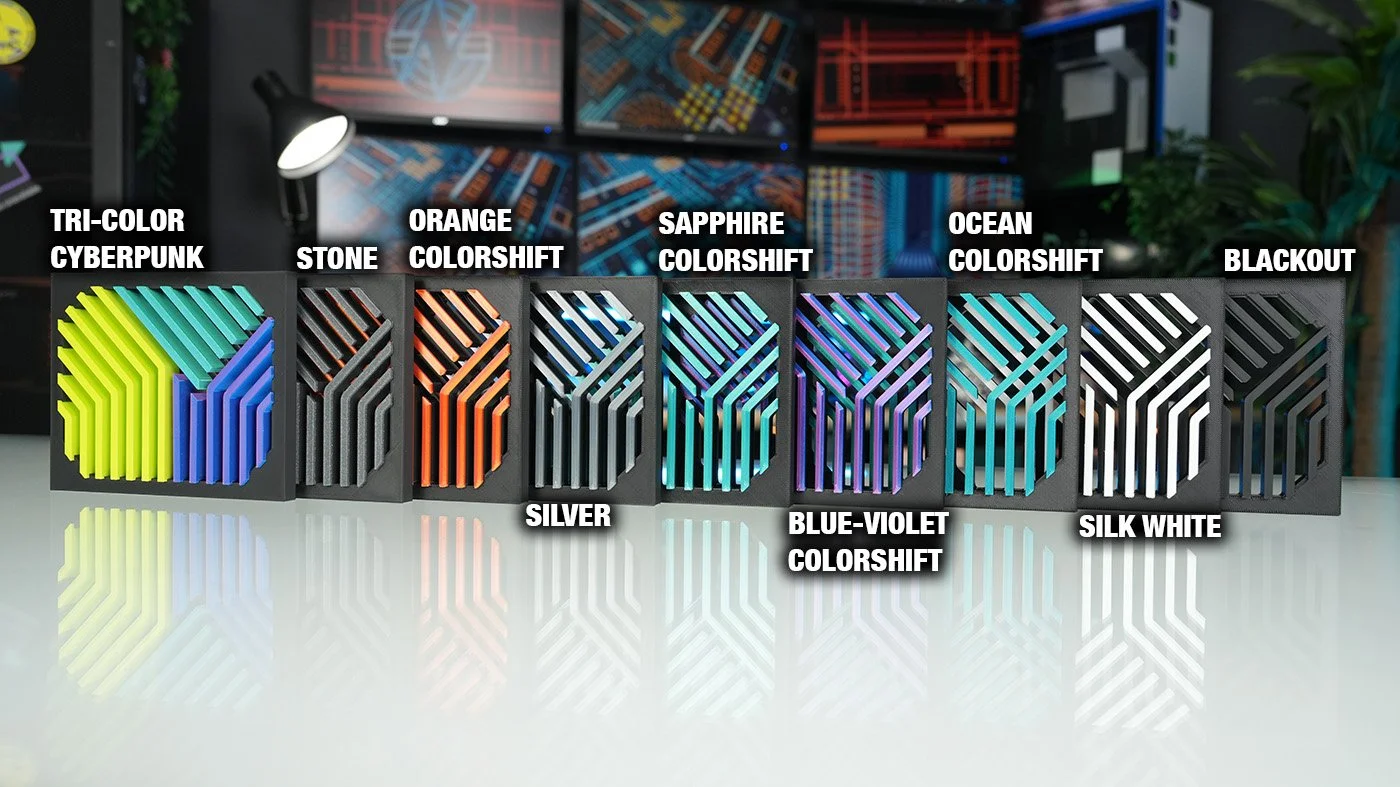
Being fully transparent, Valve’s Steam Machine front panel is completely acceptable for what it does. The Machine performed well in our testing for thermals and Valve clearly focused on acoustics. Our mod does improve CPU, GPU, RAM, VRM MOSFET, VRM Capacitor, and other top compartment thermals, and the dust filter is a big value add, but it also isn’t necessary because the Machine already works fine. If you want a mix of the extra colors, improved thermals anyway (and our front panel thermal improvement boosts CPU clocks, in our testing), and to support our team, then this plate is a great fit for your Steam Machine. With manual fan control, our panel can be the same dBA SPL (and similar acoustic profile) to Valve’s plate while offering slightly improved thermals; alternatively, RPM-matched, ours can outperform stock significantly for CPU, memory, VRM, and GPU thermals.
3D Printing Advantages
These have a ton of color options due to the nature of 3D printing allowing us to circumvent long lead times, expensive air freight costs, high minimum order quantities for color variations (MOQs), and other expenses involved in overseas manufacturing. If we had made this with a factory, we’d only have black and it’d be to market slower. Instead, our same local team that makes the videos is overseeing production of the 3D prints, creating a way to directly support the massive undertaking that was our Steam Machine review and benchmarks with more of the funding going straight to our team.
Steam Machine Front Panel Airflow Upgrade with Dust Filter by GamersNexus

GPU Thermals and Acoustics
Valve’s stock plate is fine. It isn’t thermal throttling in our testing — so you don’t strictly need to mod the Steam Machine and, as much as we’d love to sell our panel, you don’t strictly need it. But we do improve the thermals, even when noise-normalized, for all tested components in the main system chamber. In GPU thermal testing, we’re seeing a reduction from Valve’s out-of-the-box 56.7-degree Celsius over ambient result (in our testing) on GPU Junction to a like-for-like of 49.7 degrees over ambient. If we cut the fan RPM to 1050, we drop to 23 dBA (0.5 below the stock panel with quieter high frequency noises) and see up to a 1-2 degree improvement in some cases.
CPU Thermals and Acoustics
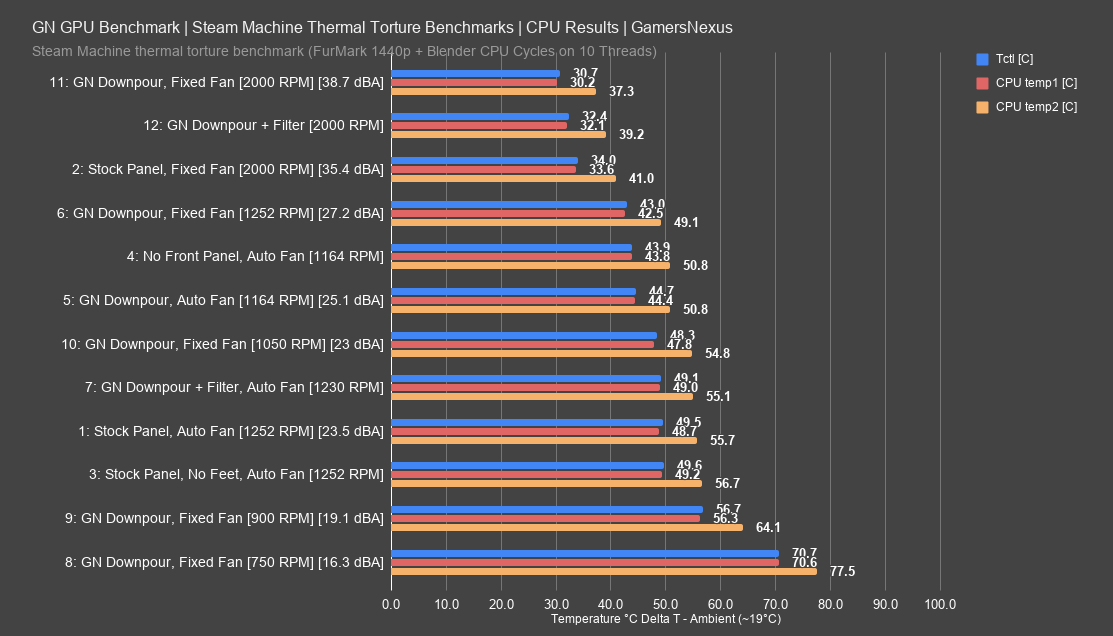
In CPU testing, we saw similarly large improvements and basically the same hierarchical stack. Like-for-like, we see an improvement of 6-7 degrees in some metrics, or when dropping noise levels 0.5 dBA below the stock plate, we see slightly improved thermals. At 2000 RPM, we’re able to reduce some of the “whooshing” noise made by the stock plate (although we wouldn’t recommend 2000 RPM). 750 RPM remains too low to be viable without throttling on any panel (due to the lack of pressure to pull through the finstack), but is borderline runnable.
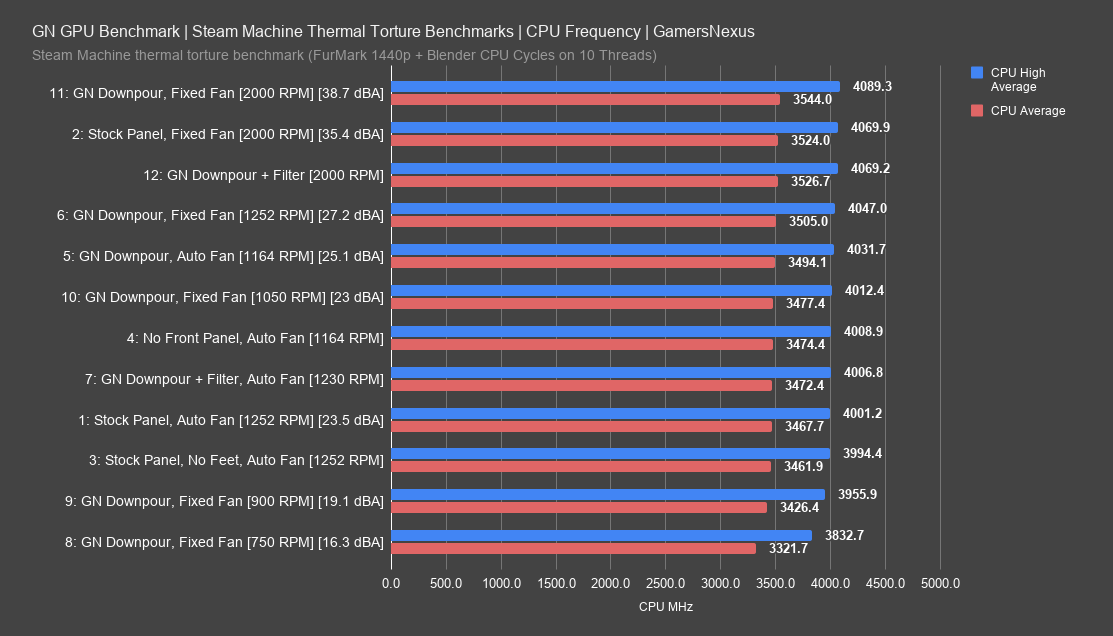
CPU Frequency Benefit
In our testing, our SteamVent Downpour improved the average high CPU frequency to 4047 MHz (sustained all-core load for 30 minutes) like-for-like versus the stock plate’s 4001 MHz result. Adjusted for noise, we still see a move to 4012 MHz for the high-side cores. This is because the AMD CPU uses Precision Boost to adjust frequency for its thermal environment, with the next big limiter being the TDP (power) budget assigned to the CPU. If the Machine ever supports overclocking and has sufficient power, we’re adding thermal headroom for higher clocks in our testing.

I/O Thermals
In our testing, the SSD temperatures increase whenever front panel restrictions are eliminated or reduced. This is just physics: By reducing the resistance for air to move into the front of the case, less air is entering the bottom of the Steam Machine. For instance, removing the feet but keeping Valve’s front panel (test configuration 3), we see the SSD temperature increase to 12.3 degrees over ambient from 9.9 degrees (configuration 1, default). For our panel, the same applies: Although we have improved CPU, GPU, RAM, and VRM thermals and the CPU clocks, our plate increases the SSD temperature and bottom chamber temperature. This is expected behavior, but we want to be fully transparent in this happening. The bottom is where the SSD is stored. SSDs use NAND Flash memory, which generally has a longer lifespan at warmer temperatures, not cooler (unlike most other components). At the same time, the SSD controller prefers cooler temperatures as long as it isn’t throttling. The Steam Machine is nowhere near throttling territory, and so the controller isn’t a concern. With more air going in the front, less goes in the bottom, and so the SSD warms up with the GN panel.
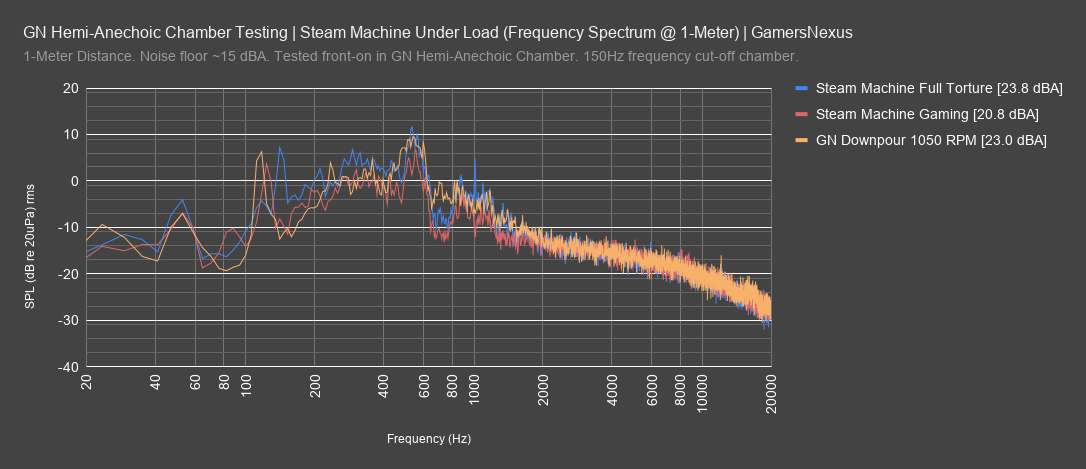
Frequency Spectrum
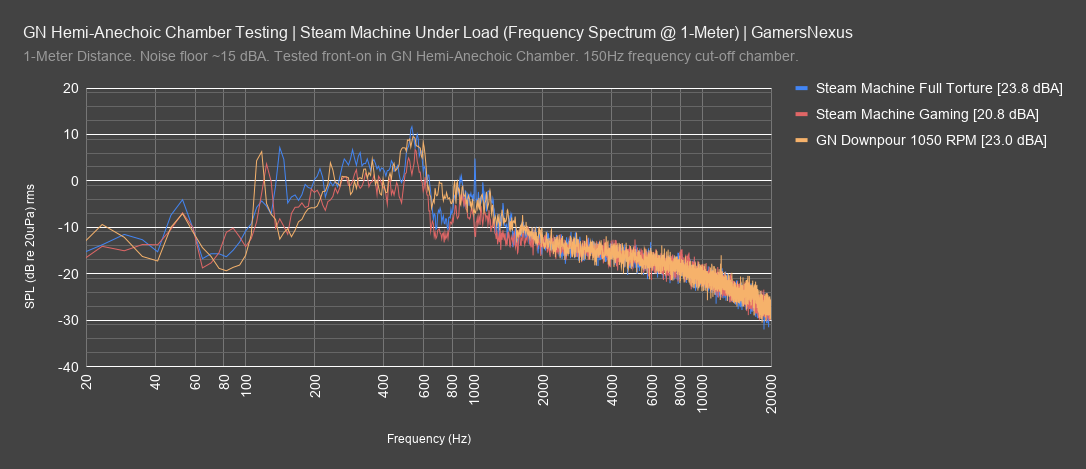
In frequency spectrum testing in our hemi-anechoic chamber, we found the Steam Machine Downpour panel at roughly like-for-like dBA SPL (using a full system workload) shifted the frequency slightly left for the first spike, was quieter in the ~240 to 400 Hz range, quieter in the 140 Hz range, about the same at 500 to 600 Hz, and our panel was louder at about 700-800 Hz. The behavior is similar for both after 1800 Hz.
Built by Our Team at GN HQ
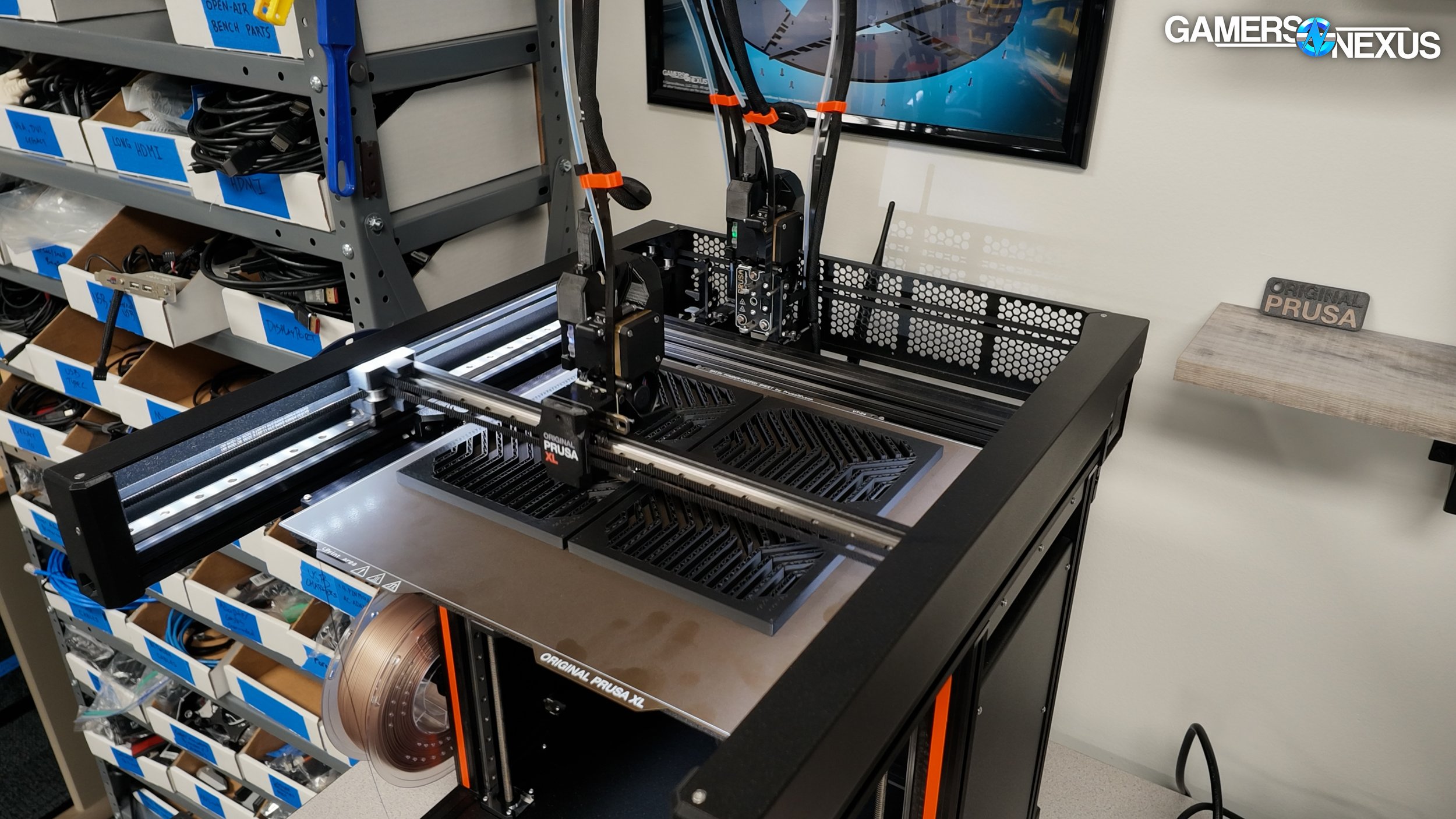
Because we only recently got the Machine, we had to project the sizing months ago by doing pixel count analysis of images of the Steam Machine to get exact measurements. We spent those months refining dozens of different front panel designs, including barn doors, a GN logo, and many more, before ultimately settling on the Downpour style for its performance. The months of work included airflow testing on the fan tester (since we didn’t have a Machine, we had to simulate performance to project the best outcome — and it worked), but also tuning on slicer settings, learning 3D printing, then learning again because we wanted to begin switching off of Bambu and onto Prusa (but we are still using the Bambu printers we bought previously), and more. Our existing team manages the prints, quality control inspections, magnet install by hand in our NC warehouse, and final fitment test. Your support makes it possible for us to keep making our deep-dive videos.